Last Tuesday, I was at my favorite coffee shop. After ordering a sandwich, I stared at the receipt the printer had just spat onto the counter. I squinted, holding it closer, then farther away. The numbers were just a smudged blur.
Marco, the barista, watched my struggle. Leaning in, he said quietly, "Sir, are those glasses new? You look like you're wrestling with them more than reading the receipt."
He was spot on. I was wrestling—with $200 down the drain, persistent blurry vision, and a series of customer service headaches. I was tired of guessing the time on a clock or how much cash was in my wallet.
I needed new glasses. My old pair were simple magnifying readers, but I wanted an upgrade. Online ads promised perfect prescription glasses for a song, and I thought I was being savvy by saving money.
Step 1: The First Order. I submitted my prescription. A week later, the glasses arrived. I put them on, and the world turned into a blurry mess. It wasn't just slightly off; it was completely wrong. A headache bloomed instantly behind my eyes.
Step 2: The Store Credit Trap. I called the company. They were apologetic and offered a full refund—or 110% store credit. That extra 10% sounded like a win. I took the credit. Let me be clear: Accepting that 110% credit was the worst decision I made.
Step 3: The Second Blurry Pair. I used the credit to order another pair. They arrived. Still blurry. That's when I discovered the cruel catch in the fine print: using the credit meant my second pair was only eligible for another credit or exchange—no cash refund. If they messed up again, I was stuck. I was now out of pocket, trapped in a cycle of blurry lenses.
Step 4: The Third Try and Paying More. I sent the second pair back. Hoping to break the cycle, I paid extra for "premium" lenses on my third attempt. They arrived. Still blurry. By this point, I'd spent triple the money, wasted weeks, and owned three pairs of frames with utterly useless lenses. They weren't even good as basic readers.
I later learned many budget online retailers use low-quality lenses for progressive prescriptions. The viewing area is painfully narrow, forcing you to constantly bob your head to see your computer or phone—a surefire recipe for neck strain and headaches. I was done with cheap excuses.
Verdict: Never accept the store credit offer. If the first pair is wrong, demand your cash back immediately. Cheap online lenses often mean cheap, inaccurate prescriptions.
I realized my strategy was flawed. Instead of buying cheap pre-assembled glasses, I needed to focus on two separate things: a durable, well-made frame and a guaranteed accurate prescription, even if that meant using my local optician.
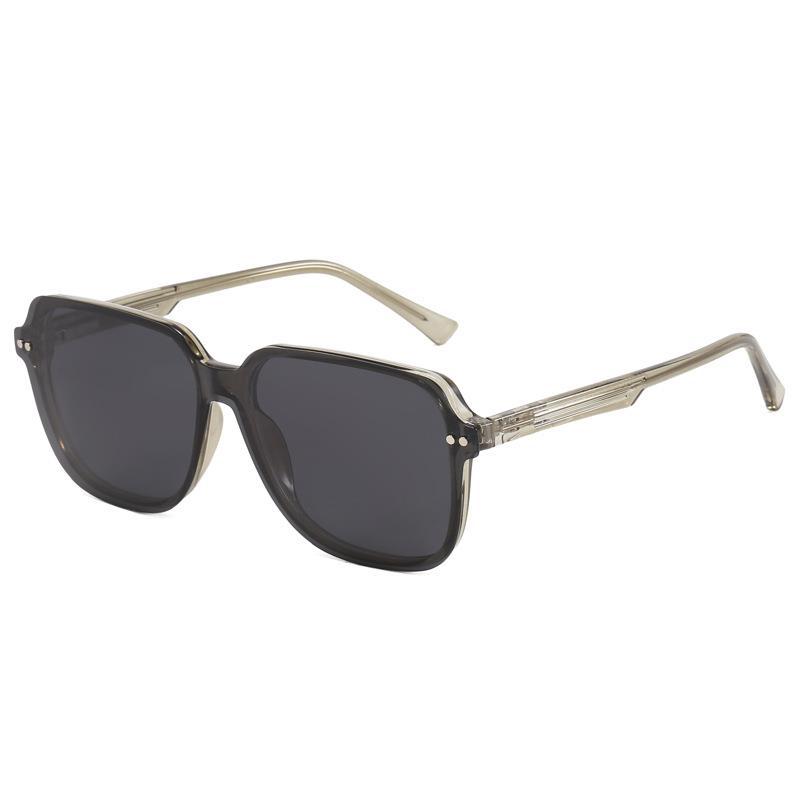
I wanted frames that offered flexibility, strength, and smart features like built-in magnetic sun clips. My search for quality frames led me to the excellent selection at Mozaer Shop. That's where I found the P56687 Magnetic Clip Photochromic Reading Glasses—they looked both tough and stylish.
Here’s what I learned to prioritize when shopping for glasses, especially for custom or progressive lenses: