Like many, I've been intrigued by the potential of smart glasses. I'm always on the lookout for tech that can genuinely improve daily life, especially for those with visual challenges. I dove headfirst into exploring how these devices could assist, and what I found was a mix of promise and limitations. Hopefully, my experiences can help you decide if they're right for you or a loved one.
I recently got my hands on a pair of Meta Ray-Ban glasses. The price point was appealing compared to specialized medical equipment, and the stylish design was a definite plus. My initial thought was: could these glasses actually read text aloud? This would be a game-changer for so many people.
I started experimenting. I tried different voice commands, and one that seemed to work best was: "Hey Meta, look and read what's on this page verbatim." It’s not perfect, but it's a start. I'm still learning the nuances of getting it to work consistently, but the potential is definitely there.
I have some vision challenges myself and the glasses immediately impressed me. They felt like they could truly change how I navigate the world. That’s why I also wanted to investigate use cases for people with more severe visual impairments.
My dad has RP (Retinitis Pigmentosa), so I bought a pair of these glasses to test them out for him. I had the same question about reading word for word. While the glasses showed potential, they also revealed some limitations. I was hoping they could describe people or even read the labels on his medications, but unfortunately, they couldn't handle those tasks.
It became clear that while these glasses offer some assistance, they aren't a complete solution. The FDA regulations on medical devices likely prevent Meta from explicitly marketing these glasses for people with disabilities. While it's a shame, I understand the legal considerations.
While the smart glasses didn't fully meet my initial expectations for reading assistance, I started to explore other options, particularly for reading smaller text like prescription labels. I stumbled upon some excellent half glasses reading glasses online. These are perfect for quickly glancing at something up close without needing to take off your regular glasses. This led me to discover Mozaer, a brand with some interesting eyewear solutions.
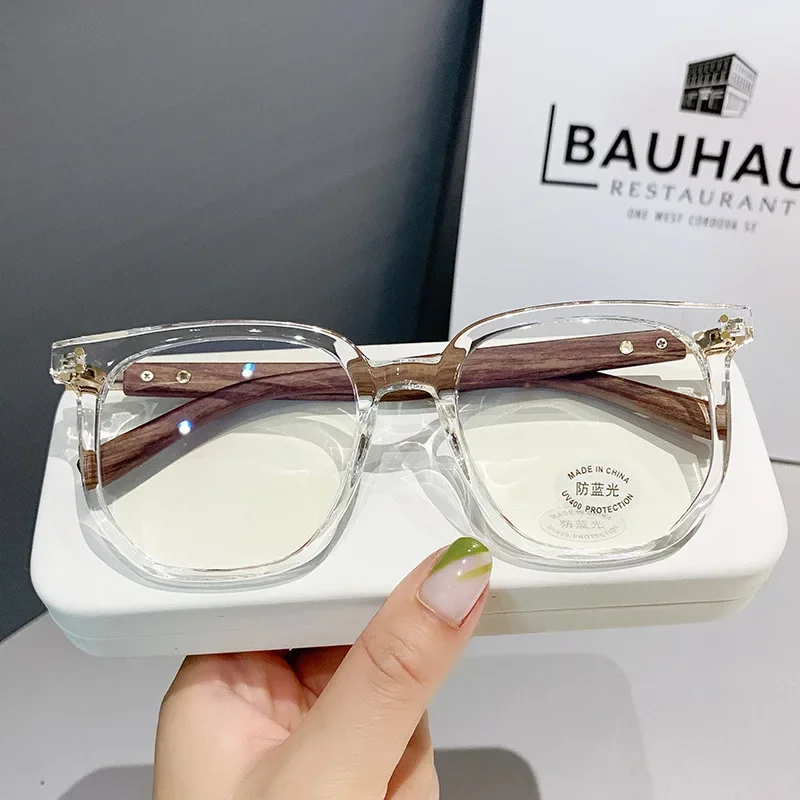
I found a pair of reading glasses from Mozaer that seemed promising: Women Men Wooden Legs Presbyopia Eyeglasses Luxury Blue Light Blocking Reading Glasses HD Lens Farsighted Eyewear with Diopter.
What attracted me to these glasses was the combination of style and functionality. The blue light blocking feature is a huge plus, especially when I'm spending a lot of time in front of screens. The wooden legs give them a unique and sophisticated look. I got a pair with a +1.00 diopter, and they've been incredibly helpful for reading menus and smaller text. They aren't a replacement for smart glasses, but complement them well.
Based on my experiences, here are some practical tips if you're considering using smart glasses or reading glasses for visual assistance: